| |
Porcelain Suspension Insulators |
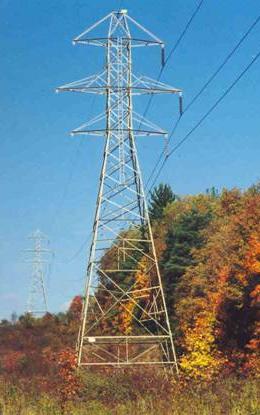
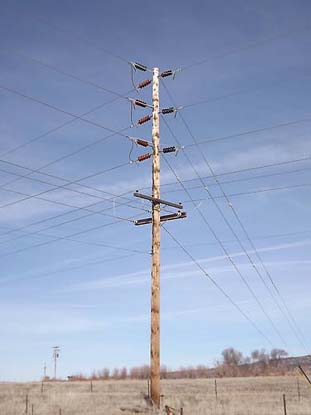
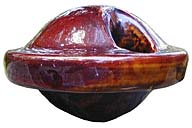
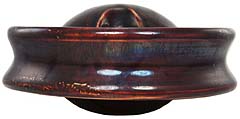
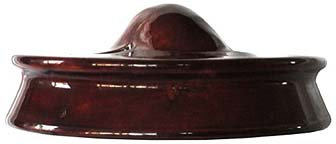
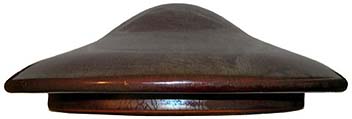
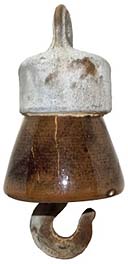
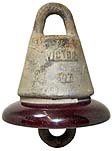
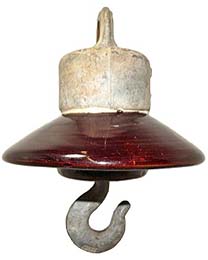
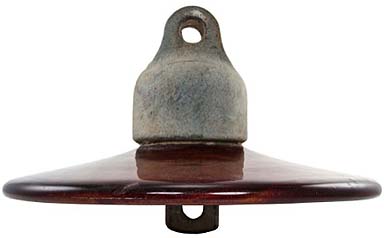
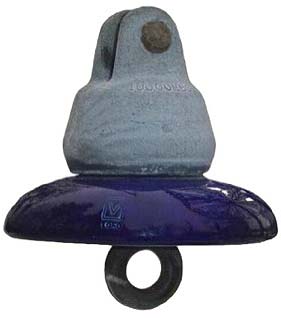
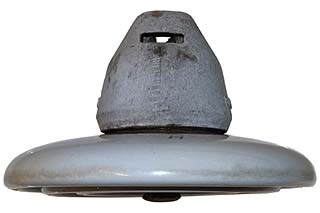
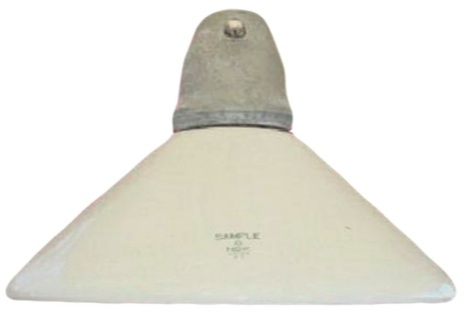
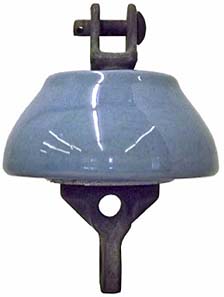
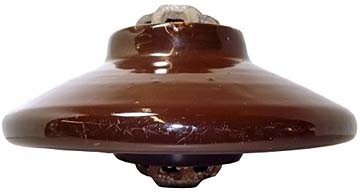
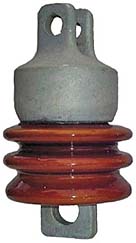
Suspension insulators are designed to link together into strings, typically of two or more, to provide much higher voltage protection than any single insulator. Suspension insulators are identified using the ST (Suspension Type) numbering system recently developed by Shaun Kotlarsky and Steve Coffman. This system covers both glass and porcelain suspensions worldwide. Suspension insulators are typically used on high tension power transmission towers as shown below. Porcelain is by far the most commonly used insulating material but there are a number of glass styles as well. Porcelain suspension insulators revolutionized the power distribution industry allowing much higher voltage protection -- there are several 1,000,000V DC transmission lines utilizing suspension insulators.
|
High Voltage Transmission |
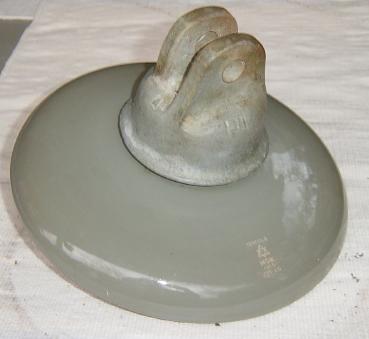
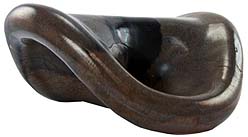
Here is recent 10 inch suspension disk made by NGK in a nice shade of gray. |
||||||
|
ST Numbering system -- For
more information and photo credits visit ALLINSULATORS.COM
Some examples below |
|||||||
|
|||||||
|
|||||||
|
|||||||
|
|||||||
|
|||||||
| ST Numbering system -- For more information and photo credits visit ALLINSULATORS.COM | |||||||
 Return to the insulator identification page